I Stopped Managing My Time and Started Managing My Energy — Here's What Changed
I was scheduling 8 hours of studying a day and getting through maybe 3 of them productively. The problem wasn't my schedule — it was that I was ignoring when I actually had energy to study.
Priya S.
Sophomore, Pre-Med

Time Management · EZ Grades
For most of sophomore year, I had a detailed study schedule that I consistently failed to follow. I'd block out 8am–4pm for studying, and by 10am I'd be on my third cup of coffee, staring at my notes, not retaining anything.
The problem wasn't my schedule. The problem was that I was scheduling study time without any regard for when I actually had the mental energy to study.
The Energy Audit
I spent one week tracking not just what I was doing, but how I felt while doing it. I rated my focus and energy on a simple 1–5 scale every hour.
The pattern was clear: I was sharpest between 9am and noon, and again between 7pm and 9pm. Between 2pm and 5pm, I was consistently at 1 or 2 — barely functional. I'd been scheduling my hardest work during my worst hours.
What I Changed
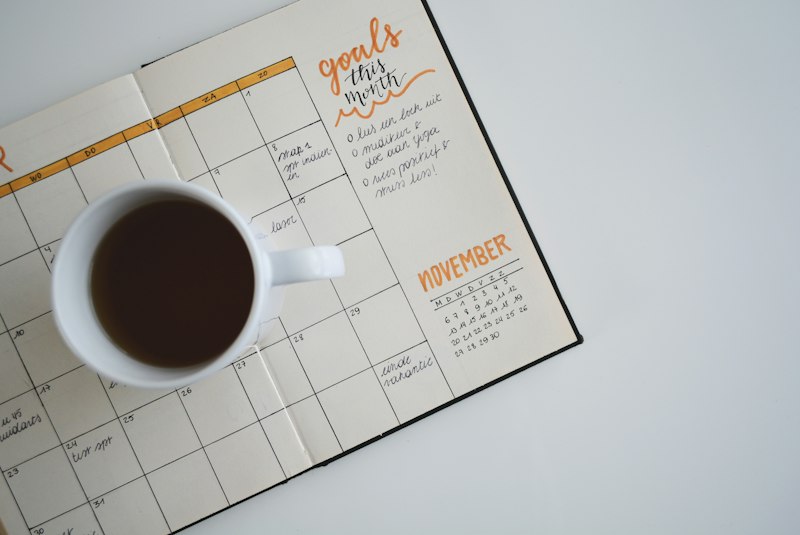
I moved all my demanding cognitive work — problem sets, essay writing, anything that required deep thinking — to my peak hours (morning and early evening). I used my low-energy afternoon slot for administrative tasks: printing, organizing notes, reviewing flashcards, answering emails.
I also started protecting my sleep more aggressively. I'd been staying up until 1am studying during my low-energy period, which was destroying my morning peak. Getting to bed by 11pm and waking up at 7am gave me a much more productive morning.
The Results
My productive study time went from about 3 hours a day to about 5 hours — not because I was studying longer, but because I was studying during the hours when I could actually focus.
The Caveat
Everyone's energy pattern is different. Some people genuinely are night owls and do their best work late. The key is to actually track your energy rather than assuming you know when you're most productive. I was convinced I was a night person until the data showed otherwise.
What Drains Energy (And What Restores It)
Once I started tracking energy, I noticed patterns beyond just time of day:
Energy drains:
- Poor sleep (even one bad night had a two-day effect)
- Skipping meals or eating poorly
- Long stretches of passive activities (scrolling, watching)
- Unresolved stress or anxiety about upcoming deadlines
- Back-to-back demanding tasks without breaks
Energy restores:
- Sleep (obvious, but I was chronically undervaluing it)
- Physical movement (even a 10-minute walk)
- Eating a proper meal
- Completing a task (the satisfaction of finishing something is genuinely energizing)
- Social time with people I like (not all social interaction is draining)
The biggest insight: sleep is not a productivity cost. It's a productivity investment. Every hour of sleep I sacrificed to study was paid back in reduced focus the next day. The math almost never worked out in favor of staying up late.
Matching Task Type to Energy Level
Not all studying requires the same energy. Here's how I match tasks to my energy level:
| Energy Level | Best Tasks |
|---|---|
| High (peak hours) | Problem sets, essay writing, learning new concepts |
| Medium | Reading, note review, making flashcards |
| Low | Anki reviews, organizing notes, administrative tasks |
This means I'm always doing something useful, even on low-energy days — I just adjust what I'm doing to match my current capacity.
Frequently Asked Questions
Q: How do I know when my peak energy hours are?
Track your energy for one week using a simple 1–5 scale every hour. Note when you feel sharpest and when you feel foggy. Most people have a clear pattern within a few days. Don't rely on assumptions — many people are surprised by what the data shows.
Q: What if my peak hours are when I have classes?
Use your peak hours for the most demanding studying you do outside of class. If your peak is 9–11am and you have class then, use the 11am–12pm window before lunch for your hardest work. Even a 45-minute high-quality session is more valuable than 3 hours of low-energy studying.
Q: Is it okay to drink coffee to extend peak hours?
Caffeine can extend alertness, but it doesn't actually restore energy — it just delays the feeling of tiredness. Using coffee to push through a low-energy period often means you pay the cost later (worse sleep, afternoon crash). Use it strategically, not as a substitute for sleep.
Q: What if I'm a night owl but my classes are in the morning?
This is a real challenge. If you can't change your schedule, focus on sleep quality (consistent bedtime, dark room, no screens before bed) to make your mornings as functional as possible. Some night owls find that a consistent wake time (even if later than ideal) helps more than trying to force an earlier bedtime.
Related Articles

90 Days with Anki: My Spaced Repetition Experiment (With Actual Stats)

The Most Popular Study Trends on TikTok Right Now — Do They Actually Work?