My Exact Process for Taking Notes From Textbooks (A Step-by-Step Walkthrough)
I used to highlight everything and understand nothing. Here's the process I developed after years of trial and error — including the step most people skip.
Priya S.
Sophomore, Pre-Med

Note-Taking · EZ Grades
For most of high school, my textbook "notes" were just highlighted passages. I'd read a chapter, highlight the important parts, and feel like I'd studied. Then I'd take an exam and realize I hadn't actually retained anything — I'd just made the book more colorful.
Here's the process I developed after years of trying different approaches.
Step 1: Preview Before You Read (5 Minutes)
Before reading a chapter, I spend 5 minutes skimming: I read the title, all the headings and subheadings, the chapter summary (if there is one), and the review questions at the end. This gives my brain a framework before I start reading — I know what's coming and I'm looking for specific things.
Step 2: Read in Sections, Not All at Once
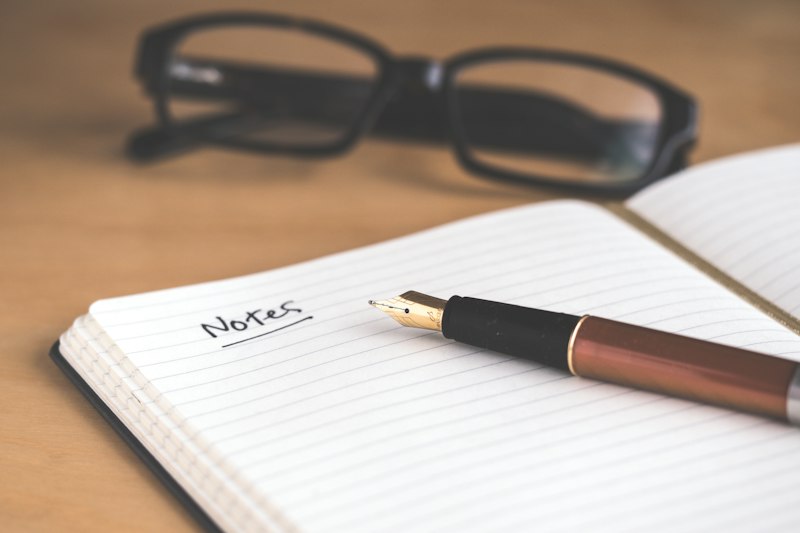
I read one section at a time (one heading's worth of content), not the whole chapter. After each section, I close the book and write down the main points from memory. This is the step most people skip, and it's the most important one.
Writing from memory, even imperfectly, is active recall. It forces me to process the material rather than just moving my eyes over it.
Step 3: Check and Fill Gaps
After writing from memory, I open the book and check what I missed or got wrong. I add those things to my notes. This step is fast because I'm only looking for the gaps, not re-reading everything.
Step 4: Write a Summary at the End
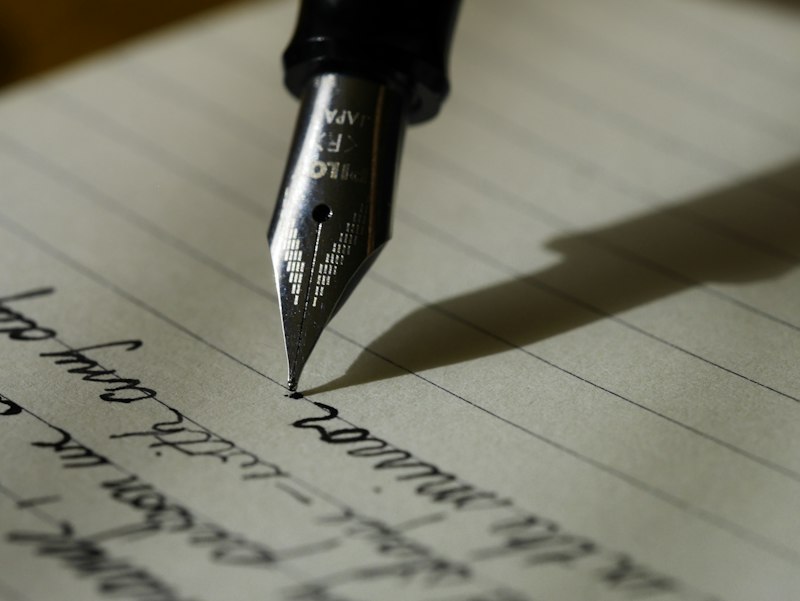
After finishing the whole chapter, I write a 3–5 sentence summary in my own words. This forces me to synthesize the material and identify the main argument or takeaway.
What I Don't Do Anymore
I don't highlight. Highlighting feels productive but it's passive — your eyes are moving over the text but your brain isn't doing much with it. If I want to mark something important, I write a note in the margin instead.
I don't copy out long passages. Notes should be in my own words, not the textbook's words. If I'm copying, I'm transcribing, not learning.
How Long This Takes
This process takes longer than just reading. A chapter that takes 30 minutes to read takes about 50 minutes with this process. But I retain significantly more, which means I spend less time re-learning things before exams.
Adapting the Process for Different Types of Textbooks
Not all textbooks are the same, and the process needs to adapt:
Science textbooks: Focus on understanding processes and mechanisms, not just facts. For each section, ask: "What is happening and why?" Draw diagrams from memory after reading.
History and social science textbooks: Focus on arguments and evidence. For each section, ask: "What is the author's main claim and what evidence supports it?"
Math textbooks: Work through every example problem yourself before reading the solution. The text is secondary to the practice problems.
Literature and humanities: Read actively with a pen in hand. Write questions and reactions in the margins. After each chapter, write a one-paragraph response.
The Most Common Textbook Reading Mistakes
Reading without a purpose. Before you start reading, know what you're looking for. What questions does this chapter answer? What concepts does it introduce?
Reading too fast. Dense academic text requires slow, careful reading. If you're reading a textbook at the same speed you read a novel, you're probably not processing it deeply enough.
Not doing the practice problems. In science and math textbooks, the practice problems are the most important part. Reading the text without doing the problems is like reading about how to swim without getting in the water.
Treating the textbook as the only source. Textbooks are often dense and poorly written. Use YouTube, Khan Academy, and other resources to supplement your understanding when the textbook isn't clear.
Frequently Asked Questions
Q: Do I need to read the entire textbook?
Usually not. Focus on the sections your professor assigns and the topics covered in lectures. Use the textbook as a reference for things you don't understand, not as a cover-to-cover read.
Q: What if I don't understand something after reading it twice?
Look for a different explanation. YouTube (Khan Academy, CrashCourse, Professor Leonard) often explains concepts more clearly than textbooks. Ask your professor or TA. Find a classmate who understands it and ask them to explain it.
Q: Is highlighting ever useful?
Highlighting can be useful if you use it sparingly and purposefully — marking only the most essential sentences, not entire paragraphs. The problem is that most students highlight too much, which defeats the purpose. A better alternative: write a brief note in the margin instead of highlighting.
Q: How do I take notes from textbooks efficiently when I have a lot of reading?
Prioritize. Not all reading requires the same depth of engagement. For background reading, a quick skim may be enough. For material that will be tested, use the full process. For supplementary reading, read actively but don't take detailed notes.
Related Articles

90 Days with Anki: My Spaced Repetition Experiment (With Actual Stats)

The Most Popular Study Trends on TikTok Right Now — Do They Actually Work?
