I Tried a 'Productive Morning Routine' for 30 Days — Here's What Actually Stuck
5am wake-ups, journaling, exercise, cold showers. I tried the whole TikTok morning routine. Here's what was genuinely useful and what was just performance.
Carlos M.
High School Senior

Time Management · EZ Grades
I fell down the productivity TikTok rabbit hole and decided to try a "proper" morning routine for 30 days. I'm talking the full package: 5am wake-up, journaling, exercise, healthy breakfast, no phone for the first hour. Here's my honest report.
Week 1: Miserable
Waking up at 5am when you normally wake up at 7:30am is not a small adjustment. I was exhausted by 2pm every day for the first week. My studying was worse, not better, because I was too tired to focus.
The journaling felt forced. I'd sit there with a blank page not knowing what to write. The "gratitude list" format I'd seen on TikTok felt performative.
Week 2: Finding What Actually Helped
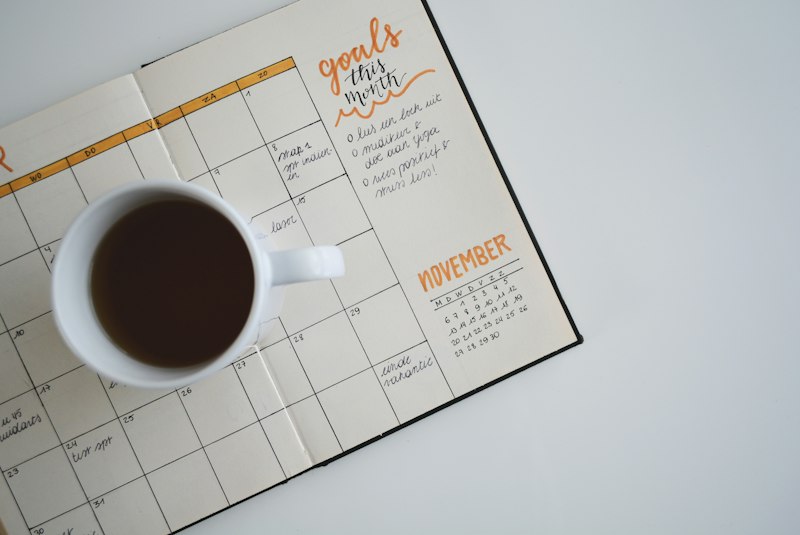
I dropped the 5am wake-up and settled on 6:30am — earlier than usual, but not brutal. I kept the "no phone for the first hour" rule and found it genuinely helpful. Starting the day without immediately checking notifications meant I got to my desk in a calmer state of mind.
The exercise stuck. Even just a 20-minute walk before sitting down to study made a noticeable difference in my ability to focus. I don't know if it's the blood flow, the fresh air, or just the habit of doing something physical before sitting down — but it worked.
Week 3 and 4: What I Kept
By the end of 30 days, my morning routine had simplified to: wake up at 6:30am, no phone for 45 minutes, 20-minute walk, breakfast, study. That's it. No journaling, no cold shower, no elaborate ritual.
The things that stuck were the things that had a clear, immediate benefit. The walk made me feel better. The no-phone rule meant I started the day without anxiety. Everything else was either neutral or actively unhelpful.
My Honest Verdict
The "perfect morning routine" content on TikTok is mostly aspirational performance. But the underlying principle — having a consistent, intentional start to your day — is genuinely useful. The specific elements matter much less than the consistency.
Start with one change. Wake up 30 minutes earlier, or don't check your phone until after breakfast. See if it helps. Add more only if the first change sticks.
What the Research Actually Says About Morning Routines
The productivity content around morning routines is mostly anecdote and aspiration. But there is genuine research on a few specific elements:
Morning exercise has solid evidence for improving cognitive function, mood, and focus throughout the day. Even 20–30 minutes of moderate exercise (walking, cycling) has measurable effects.
Avoiding screens first thing has some support — checking your phone immediately activates your stress response and puts you in reactive mode before you've had a chance to set your own agenda for the day.
Consistent wake time (even on weekends) is well-supported for sleep quality. Irregular sleep schedules disrupt your circadian rhythm and make it harder to feel alert in the morning.
Cold showers and elaborate journaling rituals: the evidence is much weaker. These might work for specific people, but there's no strong reason to believe they're universally beneficial.
Building a Sustainable Morning Routine
The best morning routine is the one you'll actually do consistently. Here's a framework:
Start with the minimum. What's the one thing that, if you did it every morning, would make the biggest difference? Start there. Don't add anything else until that one thing is automatic.
Protect the first 30 minutes. Whatever you do in the first 30 minutes of your day sets the tone. Spend it on something intentional — not your phone.
Make it easy. If you want to exercise in the morning, put your workout clothes out the night before. If you want to journal, keep the notebook on your desk. Remove friction from the things you want to do.
Frequently Asked Questions
Q: Do I have to wake up at 5am to have a productive morning?
Absolutely not. The time you wake up matters much less than the consistency and intentionality of your morning. Waking up at 7:30am with a clear plan is more productive than waking up at 5am and spending an hour on your phone.
Q: What if I'm not a morning person?
You might not be — or you might just not have a consistent sleep schedule. Try going to bed and waking up at the same time for two weeks before concluding you're not a morning person. Inconsistent sleep schedules make everyone feel terrible in the morning.
Q: Is journaling actually useful for students?
For some people, yes. Journaling can help clarify thinking, process stress, and set intentions for the day. But it's not universally useful — if you find yourself staring at a blank page feeling forced, it's probably not the right tool for you. Try a simpler version: just write three things you want to accomplish today.
Q: How long should a morning routine take?
As long as it needs to and no longer. My current routine takes 45 minutes (wake up, no phone, walk, breakfast). Some people's routines take 15 minutes. The goal is intentionality, not duration.
Related Articles

I Tried 5 Different Study Apps — Here's Which One Actually Saved Me Time
10 Free Study Resources for Students: Independent Comparison (2026)
