What Actually Helped Me Learn in Class — A Student's Honest Feedback for Teachers
I've had teachers who made me love a subject and teachers who made me dread it. Here's the honest difference, from a student's perspective.
James T.
Senior, Computer Science

For Teachers · EZ Grades
I want to be clear upfront: this is one student's perspective, not a comprehensive guide to teaching. But I've been in a lot of classrooms over the years, and I've noticed consistent patterns in what helps me learn and what doesn't. I'm writing this in the hope that it's useful to teachers who want the student perspective.
What Helped Most
Being told why something matters. The classes I learned most in were the ones where the teacher connected the material to something real. Not "this will be on the exam" — that's not a reason to care — but "this is why this matters in the real world." When I understood why I was learning something, I was much more motivated to learn it.
Being asked to do things, not just watch. The most effective classes I've had involved me doing something — solving a problem, writing a response, discussing with a classmate — rather than just listening. Even a 5-minute activity in the middle of a lecture made the material stick better.
Getting feedback I could actually use. "Good work" is not useful feedback. "Your argument is clear but you need more evidence in the second paragraph" is useful feedback. Specific, actionable feedback is the difference between knowing you did something wrong and knowing how to do it better.
Being treated as capable of handling difficulty. The teachers who challenged me most were the ones I learned the most from. Not the ones who were harsh or unfair — but the ones who believed I could handle hard material and pushed me accordingly.
What Didn't Help
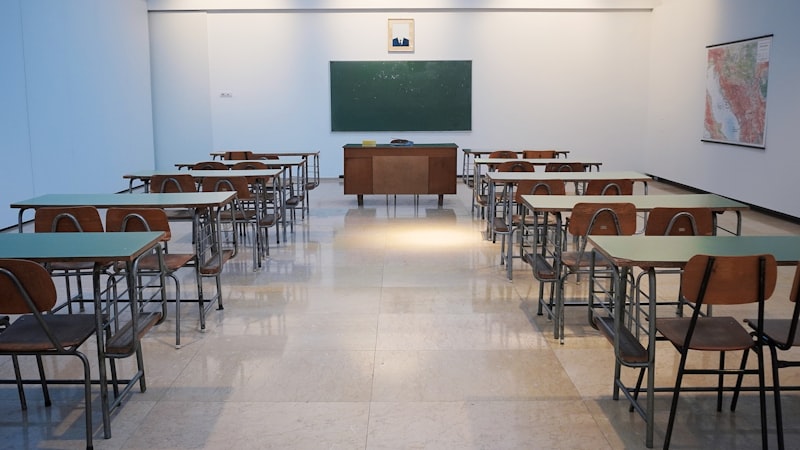
Moving on before I understood. When a teacher moved through material quickly and I was confused, I rarely caught up. The classes where teachers checked for understanding — even just "does anyone have questions?" with a genuine pause — were the ones where I fell behind less.
Grading everything. When every single thing was graded, I stopped taking risks. I'd write safe essays and give safe answers. The classes where some work was just for practice — ungraded, just for learning — were the ones where I actually tried new things.
Reading from slides. I can read slides myself. What I can't do is have the teacher explain the why behind the slide, give an example from their own experience, or answer my questions. That's what I'm there for.
What I Wish More Teachers Knew
Students generally want to learn. When they seem disengaged, it's usually because they're confused, overwhelmed, or can't see the relevance — not because they don't care. Connecting material to real life, checking in regularly, and giving useful feedback goes a long way.
I know teaching is hard. I'm not trying to critique — I'm trying to share what the experience looks like from the other side of the desk.
The Specific Classroom Practices That Made the Biggest Difference

Looking back across all my years of school, a few specific practices stand out as having the most impact on my learning:
Think-pair-share. Being given 60 seconds to think about a question, then discussing it with a classmate before sharing with the class, made me much more willing to participate. The pair discussion gave me a chance to test my thinking before going public with it.
Low-stakes writing. Classes where I had to write a short response at the start or end of class — just for myself, not graded — helped me process the material much more than passive listening.
Worked examples with explanation. In math and science, teachers who worked through problems out loud — explaining their thinking at each step, not just the mechanics — were dramatically more helpful than teachers who just showed the steps.
Connecting to prior knowledge. "This is related to what we covered last month" is a simple phrase that helps me integrate new information rather than storing it as an isolated fact.
What Students Wish They Could Tell Their Teachers
Based on conversations with classmates over the years, here are the things students most commonly wish they could say:
- "I'm confused but I'm afraid to ask because I don't want to look stupid"
- "I don't understand why this matters"
- "The pace is too fast for me to actually process what you're saying"
- "Your feedback doesn't tell me how to improve, just that I need to"
- "I'm more engaged when I'm doing something, not just listening"
Frequently Asked Questions
Q: How can teachers tell if students are actually understanding vs. just nodding along?
The most reliable method is low-stakes formative assessment: exit tickets, quick writes, or brief pair discussions. Asking "does anyone have questions?" is not reliable — students who are confused often don't know they're confused, and those who do know are often reluctant to ask. Active checks for understanding are more reliable than passive ones.
Q: What's the most common mistake teachers make that hurts student learning?
From a student perspective: moving on before students understand. The pace of many classes is set by the fastest learners or by the syllabus, not by actual student understanding. Regular checks for understanding and willingness to re-teach are more valuable than covering all the material.
Q: How do teachers build a classroom culture where students feel safe to be wrong?
By modeling it themselves. Teachers who say "I'm not sure, let me think about that" or "I got that wrong last time I explained it" create cultures where being wrong is normal. Teachers who respond to wrong answers with curiosity rather than correction also help.
Q: What's the most impactful thing a teacher can do for struggling students?
Notice them and reach out proactively. Struggling students rarely ask for help. A teacher who says "I noticed you seemed confused in class today — do you want to talk through it?" makes a disproportionate difference.
Related Articles
I Made Mind Maps for Every Chapter of My History Textbook — Here's What Happened

I Tried the Feynman Technique on My Hardest Subject — Here's My Honest Take
